We have reviewed 14 portable power stations for UK buyers, from a 286Wh weekend unit to a 4,096Wh home backup system. Every review checks the UK specification: 230V output, BS 1363 sockets, UK warranty length and realistic British solar figures. We do not claim hands-on testing. We read manufacturer documentation and hundreds of UK owner reviews, then say plainly who each unit suits.
This is the full index of our portable power station reviews. It is not a ranked list. If you want our top picks in order, the best portable power stations guide does that job. This page exists so you can find a specific model quickly, or browse everything we have covered so far.
Every card shows the four numbers that actually decide whether a unit suits you: capacity in watt-hours, continuous AC output in watts, weight in kilograms, and battery chemistry. Those four tell you more in ten seconds than most retailer listings manage in a page.
A word on how to read them. Capacity in watt-hours is how much energy the unit stores, so it sets how long something runs. Output in watts is how much it can deliver at once, so it sets what you can plug in at all. A 2,765Wh unit with 3,840W output will run a kettle. A 288Wh unit with 300W output will not, however long you leave it. Get those two the wrong way round and you will buy the wrong machine.
We only cover models sold with UK plugs and UK warranty support, which is why you will not find every model that appears on American review sites. If a unit is not properly supported here, it does not belong in a UK buyer’s shortlist.
What Makes These Portable Power Station Reviews Different?
We do not claim hands on testing we have not done. Every review is built from manufacturer documentation, hundreds of verified UK owner reviews, and independent teardowns where they exist. The focus is UK specific: 230V output, BS 1363 sockets, UK warranty length, and what British weather actually delivers through a solar panel.
Most power station reviews you will find are written for an American market and quietly reused here. That matters more than it sounds. Voltage differs, socket standards differ, warranty terms differ, and solar yield in Manchester is nothing like solar yield in Arizona. A glowing review of a 120V unit tells a UK buyer very little.
It also means we are honest about the limits of our method. We have not run these units on a bench for a fortnight, so we do not pretend to have. What we can do is read the documentation properly, aggregate what hundreds of UK owners report after months of use, and flag where a manufacturer’s claim and owner experience do not line up.
All Portable Power Station Reviews
So far we have reviewed 14 models, spanning 286Wh to 4,096Wh. Newest reviews appear first.
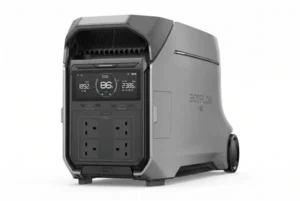
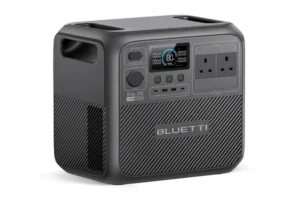
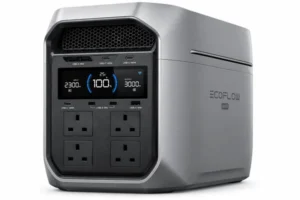
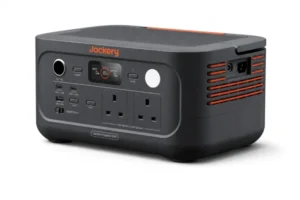
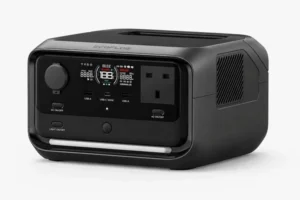
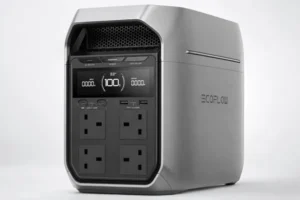
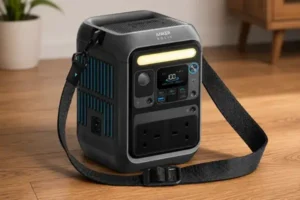
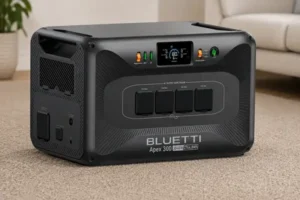

Anker SOLIX C1000 Gen 2 Portable Power Station:


EcoFlow Delta 2 Max UK Review:


EcoFlow Delta 3 Classic Portable Power Station:

Which Power Station Suits Your Use Case?
Match the unit to the job. Weekend camping and device charging needs 250Wh to 500Wh. A campervan fridge and lighting wants 500Wh to 1,000Wh. Home backup through a power cut starts around 1,000Wh and climbs fast if you want to run anything with a heating element.
The four guides below take each use case in turn and shortlist the models from this page that suit it. They go into the trade offs properly: noise, weight, recharge speed and whether solar is worth pairing.




Not sure which bracket you fall into? The sizing calculator turns a list of appliances into a watt-hour figure, and the power station finder quiz narrows the list in about a minute.
Browse Reviews by Brand
We cover the four brands that offer proper UK warranty support. Each brand hub collects every review we have published for that manufacturer, alongside where the range is strong and where it is not.


Comparing two brands directly? See EcoFlow versus Jackery, EcoFlow versus Bluetti or Bluetti versus Anker for a head to head on range, warranty and support.
Which Power Output Do You Need?
Output in watts decides what you can plug in. Capacity in watt-hours decides how long it runs. Under 1000W covers laptops, lighting and phones. 1000W to 2000W runs a fridge, a microwave or power tools. Above 3000W you can drive a kettle, a hob ring or most of a small workshop.
This is the question we get asked most, and it is the one buyers most often get backwards. A unit rated 3,840W with 2,765Wh of storage will boil a kettle several times on one charge. A unit rated 300W with 288Wh will keep a laptop and a phone going all weekend and refuse a kettle outright. Neither is better. They are answers to different questions.
Here is every model we have reviewed, sorted by continuous AC output rather than by brand or price.
One thing worth saying plainly: watts and watt-hours are not interchangeable, and manufacturers rarely help. A headline figure such as “1200W” describes what the unit delivers at once. The number that tells you how long it lasts is the watt-hour rating, and it is usually printed smaller. If you are sizing a unit rather than shortlisting one, start with the sizing calculator and the size guide.
How Do We Research Every Review?
Four sources, every time: the manufacturer’s own documentation and manual, hundreds of verified UK owner reviews from Amazon and Trustpilot, independent teardown analysis where it has been published, and a UK specific check on 230V output, BS 1363 sockets and warranty length.
What we do:
- Read the documentation properly. Rated capacity, continuous output, surge output, cycle life and charge times come from the manufacturer’s spec sheet and manual, not from a retailer listing.
- Aggregate UK owner feedback at volume. Hundreds of verified UK reviews, read for patterns rather than anecdotes. One complaint about a faulty unit is noise. Forty complaints about the same fan are a finding.
- Use independent teardowns where they exist. Cell quality and build standard are hard to judge from outside the case, so we use published teardown analysis rather than guessing.
- Check it against UK reality. 230V mains, BS 1363 three pin sockets, UK warranty length, and solar figures that reflect British weather rather than a Californian summer. The Energy Saving Trust solar energy calculator is a useful sense check on what panels realistically produce here.
What we do not do: claim hands on testing we have not carried out, quote a runtime we cannot support, or recommend a model that has no UK warranty route.